When homeowners start thinking about kitchen remodeling in Latrobe, it is easy to focus first on the visible updates. New cabinets, fresh countertops, updated lighting, and modern finishes all make a strong impression. But for many families, the biggest improvement does not come from how the kitchen looks. It comes from how the kitchen works.
A kitchen can be attractive and still feel frustrating to use every day.
Maybe there is never enough room to prep meals. Maybe two people cannot move through the space without bumping into each other. Maybe the dishwasher door blocks a main walkway, or the refrigerator is just far enough from the sink and stove to make cooking feel inefficient. These are not just cosmetic problems; they are layout problems.
That is why thoughtful kitchen remodeling in Latrobe should go beyond replacing old materials. A well-planned remodel can improve movement, workflow, storage, and comfort without necessarily adding a huge amount of square footage. The right layout changes can help your kitchen feel easier to cook in, easier to clean, and easier to enjoy when family and friends gather.
Many of the frustrations people feel in their kitchens have less to do with age or style and more to do with function. In other words, the space may not be supporting the way they actually live.
A kitchen that looks fine on the surface may still have serious usability issues. Common examples include limited counter space where prep work actually happens, awkward pathways between the sink and stove, cramped work zones, and a layout that forces multiple people to cross through the same area. Some kitchens also feel disconnected from nearby dining or living spaces, which can make entertaining or everyday family interaction harder than it needs to be.
When the layout is off, every task takes more effort. Cooking dinner feels more chaotic. Cleanup feels more cramped. Hosting guests becomes less enjoyable. Even grabbing coffee in the morning can feel inconvenient when the room is not designed around real routines.
That is why layout should be one of the first considerations in a remodel. A beautiful kitchen is important, but one that flows well is what truly improves daily life.
Many homes in and around Latrobe have kitchens that were designed for a very different era. Older layouts often reflect how kitchens were used decades ago, not how families cook, gather, and move through the space today.
One common problem is narrow work areas. If the sink, stove, and refrigerator are too close together, the kitchen may feel crowded even when only one person is using it. If they are too far apart, cooking becomes inefficient because the main tasks are spread out, creating unnecessary steps.
Cabinet placement can also make a kitchen harder to use. Upper cabinets may be bulky or positioned in a way that makes the room feel closed in. Base cabinets may provide storage, but not where it is most useful. Appliances may be squeezed into corners or placed too close together, limiting landing space and making cleanup more difficult.
Traffic flow is another major issue. In many older kitchens, the room doubles as a pass-through to another part of the house. That means people are constantly walking through the main cooking zone. When that happens, the kitchen feels more stressful and less safe, especially during busy times of day.
Even islands and peninsulas can create problems when added without proper planning. These features are often seen as automatic upgrades, but if they reduce walkway clearance or interrupt prep space, they can make the kitchen function worse instead of better.
One of the most effective ways to improve a kitchen layout is to create more intentional prep zones. Instead of focusing only on where cabinets and appliances go, consider where the actual work happens.
For most households, food prep centers around a few essentials: the sink, refrigerator, trash, and cooking surface. When these elements are positioned thoughtfully, meal prep becomes faster and less frustrating.
For example, uninterrupted counter space near the sink is extremely valuable. It gives you room to wash produce, chop ingredients, and organize what you need before cooking. A nearby trash pull-out makes cleanup easier during prep, rather than forcing you to walk across the room. Storage for knives, cutting boards, mixing bowls, and utensils should also support this zone so the tools you use most are close at hand.
This kind of planning makes a real difference when more than one person uses the kitchen. Instead of everyone working in the same cramped area, the space can support separate but connected tasks. One person can prep vegetables while another unloads groceries or helps with cleanup. The kitchen starts to feel less crowded as the layout takes on more of the work.
Cooking and cleanup are two of the most repetitive activities in a kitchen, so even small layout improvements can have a big long-term impact.
Appliance placement is a major factor. If the refrigerator door swings into a busy walkway, or the dishwasher blocks traffic when open, those issues will keep causing frustration every day. Repositioning these elements can improve movement and reduce bottlenecks.
Walkway width also matters more than many homeowners expect. Tight clearances between counters, islands, and appliances make the kitchen feel restricted. Widening those paths can improve safety and comfort, especially in homes where more than one person is often in the kitchen at the same time.
The sink and dishwasher should also be considered together. If cleanup happens in the same space as food prep, the room can feel congested. In some remodels, shifting the dishwasher slightly or reworking the sink location helps separate tasks and reduce overlap.
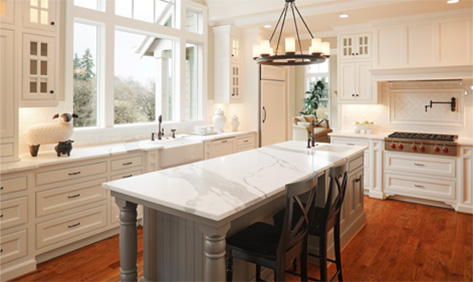
Islands can also be resized or relocated to better support the way the room is used. In some kitchens, a smaller island with better clearance works better than a larger one that looks impressive but interrupts flow. In others, removing or redesigning a peninsula opens the room and makes the kitchen easier to navigate.
These decisions are about more than appearance. They shape how naturally the kitchen supports cooking, serving, clearing dishes, and returning to a clean, usable state.
Today’s kitchens often need to do more than support meal prep. They also serve as social spaces, homework spots, and gathering areas for family and guests. That means the layout has to balance function with comfort.
One of the most common mistakes in kitchen design is adding seating that interferes with the work zone. Bar stools may look inviting, but if they block walkways or crowd the cooking area, they create new frustrations. Good design makes room for conversation without putting guests directly in the cook’s path.
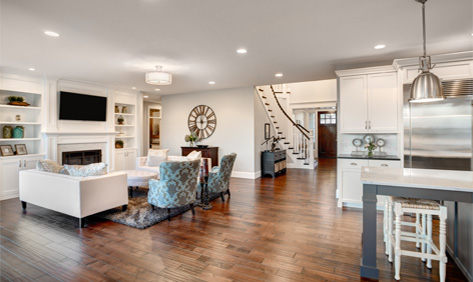
Transitions to adjacent spaces also matter. A kitchen that connects smoothly to a dining area or family room can feel much more welcoming. Opening sightlines, adjusting island placement, or improving circulation around the edges of the room can make the space feel more connected without sacrificing efficiency.
This is especially important for homeowners who want their kitchen to feel central to daily life. The best layouts allow people to gather nearby without disrupting prep, cooking, or cleanup. That creates a kitchen that feels both practical and inviting.
For homeowners who are still deciding whether a remodel is necessary, these signs that it’s time to remodel your kitchen can help clarify when function has become a daily problem worth solving.
Many people assume the only way to improve a kitchen is to make it significantly larger. In reality, a larger footprint is not always the answer.
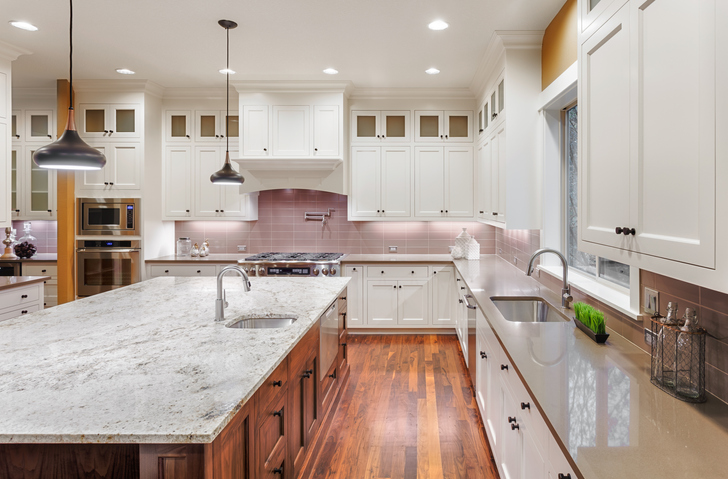
Smarter planning can often deliver major improvements within the space you already have. Reworking cabinet storage, shifting appliance placement, improving counter access, or changing the shape of an island can transform the way the kitchen functions without requiring a dramatic addition.
This is an important mindset because it keeps the focus on solving real problems rather than adding square footage for its own sake. In some homes, opening the room slightly or adjusting surrounding walls may make sense. In others, the best results come from using the existing footprint more intelligently.
That is where professional planning becomes especially valuable. A design team can look at the current layout, identify where the daily frustrations are coming from, and recommend solutions that improve usability without overcomplicating the project.
If your home does have room for expansion, it is still important to carefully consider how that space will be used. These large kitchen design ideas can help show why size alone does not guarantee better function.
Layout changes affect almost every part of a kitchen remodel. Cabinets, electrical, plumbing, appliance locations, lighting, storage, and traffic flow all work together. That is why successful kitchen remodeling in Latrobe depends on more than product selection. It depends on planning.
A professional remodeling team can help you see opportunities you may not notice on your own. What feels like a small annoyance today may actually point to a larger layout issue that can be solved during the remodel. And what seems like a simple change, such as moving an island or shifting a sink, often has ripple effects throughout the design.
At Kitchen & Bath Galleria, the goal is not just to create a kitchen that looks updated. It is to help homeowners create a space that better supports everyday life. When the layout is planned with purpose, the finished kitchen feels easier to use from the moment you start your day until everything is cleaned up at night.
If your current kitchen feels awkward, crowded, or inefficient, a remodel may be the right opportunity to fix the problems that affect you most. The right layout changes can improve workflow, comfort, and the overall experience of being in the space.
For homeowners considering kitchen remodeling in Latrobe, a thoughtful consultation is often the first step toward turning a frustrating kitchen into one that truly works. Call Kitchen & Bath Galleria today to get started!