If your shower grout keeps cracking, turning dark, or flaking away, it is rarely just a cosmetic issue. Many homeowners assume grout problems are part of normal wear and tear, especially in older bathrooms. In reality, failing tile and grout often point to moisture issues happening beneath the surface.
Bathrooms deal with constant humidity, splashing water, and temperature changes. When tile or grout starts to fail, it can allow moisture to reach areas it was never meant to touch. Over time, that moisture can damage drywall, subflooring, and framing. What begins as a minor bathroom grout repair can eventually lead to larger and more expensive problems if left unaddressed.
Understanding the warning signs early helps homeowners make smarter decisions about repairs, tile replacement, or whether a remodel makes more sense long term.
Grout is not just there to hold tile in place or complete the look of your bathroom. It acts as a barrier that helps prevent water from slipping behind tile surfaces. When grout cracks, shrinks, or crumbles, it often signals stress within the bathroom structure itself.
One common cause is movement in the subfloor. Homes naturally settle over time, and bathrooms are especially vulnerable because of their weight and moisture exposure. Even slight shifts can cause grout lines to crack, especially around tubs, showers, and floor transitions.
Poor ventilation is another frequent contributor. Bathrooms without adequate exhaust fans or proper airflow stay damp longer after showers. That constant moisture weakens grout and encourages mold growth, even if the tile itself looks intact.
Improper installation also plays a role. Grout that was mixed incorrectly, applied too thinly, or not sealed properly can fail much sooner than expected. In these cases, cracked tile in the bathroom is not always the root problem. It is a symptom of an installation that did not fully account for moisture control.
Once grout cracks, water can seep through and reach drywall, cement board, or wood framing behind the tile. These materials are far more vulnerable to water damage and can deteriorate quietly over time.
Some signs of moisture damage are easy to spot, while others stay hidden until the problem becomes more serious. Homeowners should pay attention to changes in how their bathroom tile looks, feels, and even smells.
Loose or shifting tiles are one of the clearest indicators. Tile should feel solid underfoot and firmly attached to walls. If tiles move, rock slightly, or sound hollow when tapped, moisture may have compromised the adhesive or backer board beneath them.
Darkened grout lines are another warning sign. Grout that stays dark even after cleaning often indicates trapped moisture or mold growth below the surface. This is especially common in shower corners, along tub edges, and on bathroom floors near the shower entrance.
Soft or bubbling drywall near tile areas can point to water infiltration behind the walls. Paint peeling, discoloration, or a spongy feel when pressed should never be ignored.
Musty odors are often the most overlooked clue. A bathroom that smells damp even after cleaning and airing out may have moisture trapped behind tile surfaces. Mold does not always appear as visible black spots. It can grow quietly inside walls and under floors where moisture is consistently present.
These signs align closely with larger moisture and mold concerns discussed in bathroom remodeling guides. When tile and grout fail, they often create conditions that allow mold to develop long before homeowners realize it.
When grout starts to crack or deteriorate, many homeowners understandably look for the simplest fix. In some cases, regrouting can be effective, especially if the problem is limited to surface wear and there is no underlying damage.
However, spot fixes do not work when deeper issues are present. If moisture has already reached the backer board, drywall, or subfloor, new grout will not stop the problem. It may look better temporarily, but the damage beneath the surface continues to worsen.
Bathrooms with recurring grout cracks often suffer from ongoing movement, water intrusion, or poor ventilation. In these situations, regrouting becomes a short-term solution that needs to be repeated every few years.
There is also a cost consideration. Bathroom grout repair may seem less expensive upfront, but repeated repairs add up over time. Homeowners may spend hundreds on regrouting only to face a full tile replacement later when the damage becomes impossible to ignore.
During a remodel, tile replacement allows contractors to address the root cause of the problem. This includes repairing or replacing damaged subflooring, installing proper waterproofing systems, and ensuring ventilation meets modern standards. While the initial investment is higher, it often prevents recurring issues and unexpected repairs over the years.
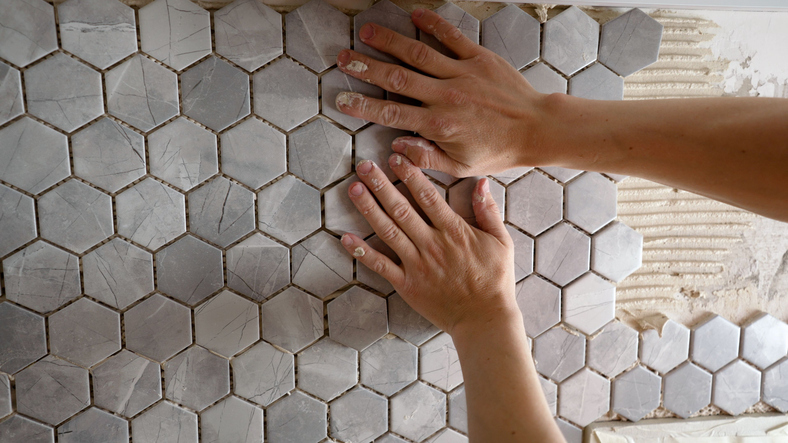
Replacing tile as part of a bathroom remodel offers benefits that go far beyond appearance. Modern tile installation emphasizes moisture control, durability, and ease of maintenance.
Waterproofing membranes are now standard in quality bathroom remodels. These systems sit beneath the tile and create a continuous barrier that protects walls and floors from water intrusion. Even if grout develops small cracks over time, the waterproof layer beneath remains intact.
Modern grout materials are also more advanced than what was commonly used in older homes. Many options resist staining, mold growth, and cracking far better than traditional cement-based grout. This makes routine cleaning easier and extends the life of the tile installation.
Tile options themselves have expanded significantly. Homeowners can choose low-maintenance porcelain, textured tiles that improve slip resistance, or larger-format tiles that reduce the number of grout lines altogether. Fewer grout lines mean fewer opportunities for future moisture problems.
For homeowners considering tile replacement in Latrobe, PA, a remodel also provides the opportunity to improve bathroom layout, lighting, and ventilation. These updates work together to protect the space while enhancing comfort and resale value.
When tile replacement is done as part of a planned remodel, it allows everything to be addressed at once rather than reacting to problems as they appear.
Small cracks in grout or isolated loose tiles can be easy to ignore, especially when life gets busy. Unfortunately, bathroom moisture problems rarely stay small. What starts as a minor cracked tile in the bathroom can quietly lead to water damage, mold growth, and costly structural repairs.
Addressing tile and grout issues early gives homeowners more control over the outcome. In some cases, targeted bathroom grout repair may be enough. In others, tile replacement during a remodel provides a longer-lasting and more reliable solution.
A well-planned bathroom remodel does more than refresh the look of the space. It protects your home from moisture damage, reduces ongoing maintenance, and creates a bathroom that functions better for everyday use.
If you are noticing signs of tile or grout failure, it may be time to look beyond surface fixes and consider what your bathroom really needs. Working with experienced professionals ensures the job is done correctly from the inside out, helping your bathroom stay beautiful and protected for years to come.